


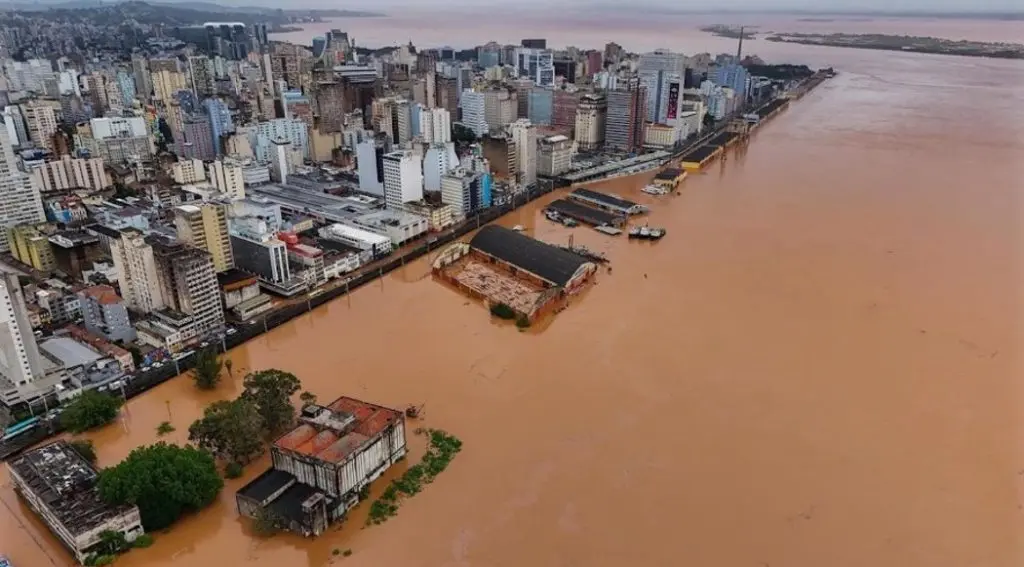
The project consisted of analysing the flooding issues within the river system that drains into Lake Guaíba in the state of Rio Grande do Sul (Brazil), which includes the Jacuí, Pardo, Taquari, Caí, Sinos, Vacacaí and Gravataí rivers, as well as the Porto Alegre metropolitan region, in order to propose potential mitigation measures within the study area. This study provided input for the resilient recovery chapter of the DaLA report led by the IDB, particularly the recommendations for priority measures to reduce structural and non-structural risks. Specifically, the objectives of the consultancy were:
► Compile and review the information generated by existing studies on the issues affecting this area (including the damage caused by the floods in 2023 and 2024), as well as the existing documentation on existing mitigation works.
► Conduct a detailed review of the existing hydrological and hydraulic flood studies for this area in order to provide an indicative identification of the areas susceptible to flooding.
► Facilitate an in-person Failure Modes Workshop with the authorities and experts from this area to identify and classify the potential failure modes that resulted in flooding in the area and the structural and non-structural flood risk mitigation alternatives through group working sessions. A Failure Mode Identification Workshop report was prepared, detailing the process followed and the results and recommendations obtained.
► Alternatives analysis. The benefits and technical feasibility of the proposed measures were assessed with the aid of 2D hydraulic modelling and a quantitative assessment of the flood risk avoided, based on a risk model that integrated all the information analysed by combining the hazard results obtained from the hydraulic modelling with the system’s exposure and vulnerability. The proposed works considered, among other aspects, their cost-benefit analysis, the possibility of implementing them in the short term and the avoidance of significant social or environmental impacts.


